Articles
47 cooking tips, guides & more
The History and Science of Chocolate
From Bitter Brew to Global Obsession Chocolate is one of the most consumed foods on the planet, ye...
Sous Vide for Home Cooks
Precision Cooking Without the Guesswork Sous vide (French for "under vacuum") was once the exclusi...
How to Build a Perfect Cheese Board
More Than Just Cutting Cheese A great cheese board is one of the simplest ways to impress guests, ...
Understanding Flour: Why Type Matters
The Humble Ingredient That Controls Everything Flour is the most used and least understood ingredi...
The Complete Guide to Cooking with Wine
Why Wine Belongs in Your Kitchen Wine has been a kitchen staple for thousands of years, and for go...
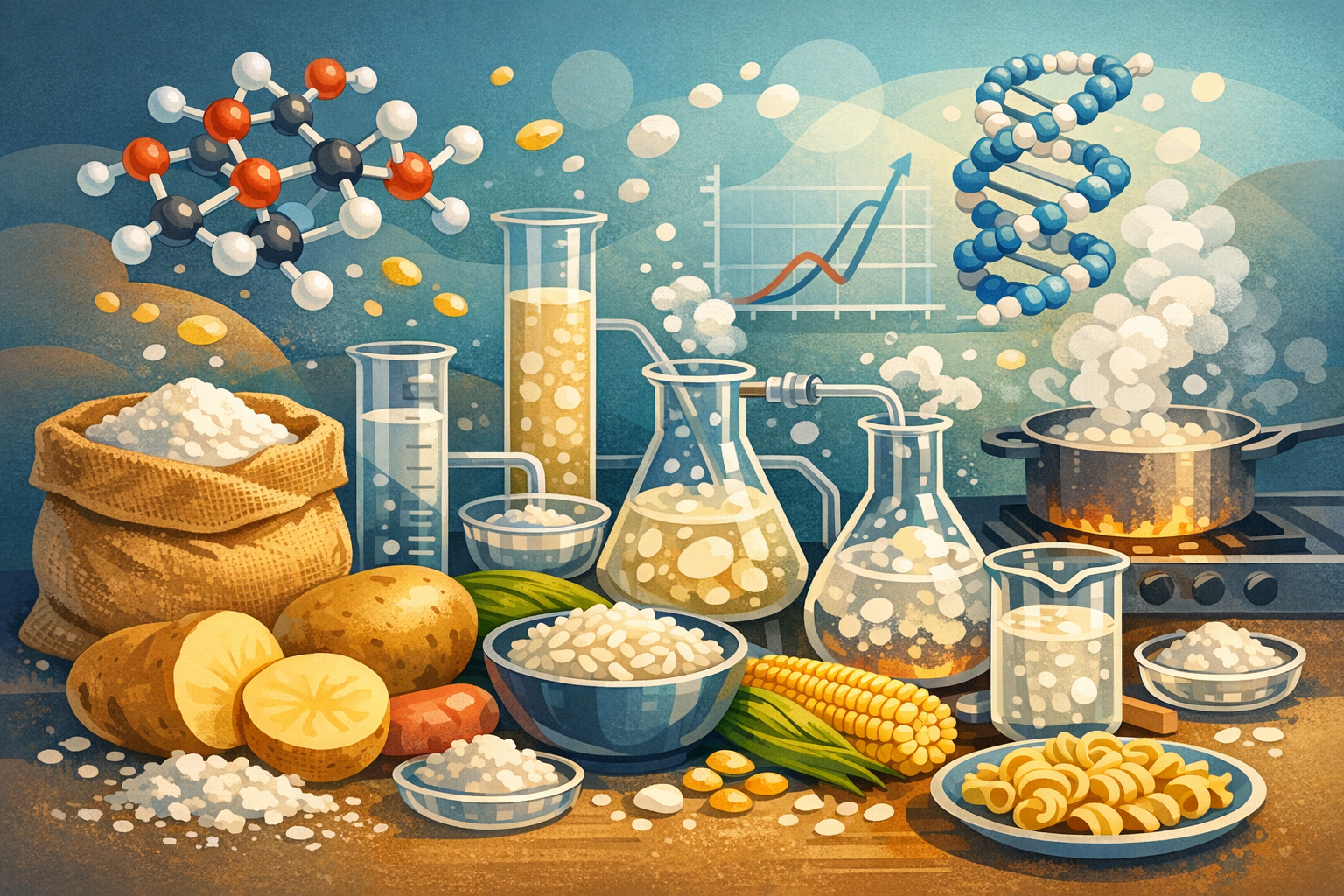
The Science of Starch in the Kitchen
Starch is arguably the most versatile molecule in your kitchen, yet most cooks barely give it a seco...
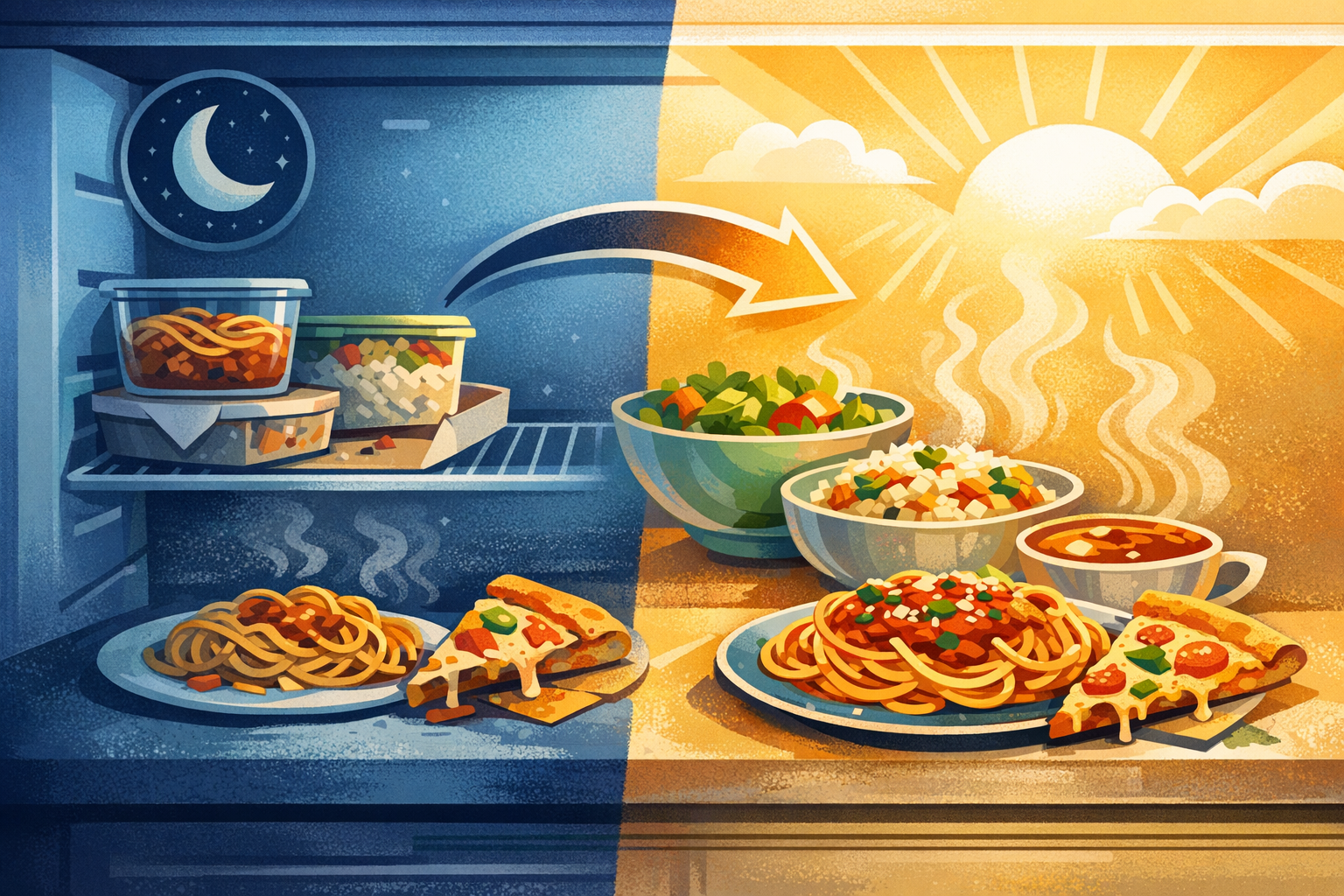
Why Some Foods Taste Better the Next Day
You've experienced this: the chili you made on Sunday tastes twice as good reheated on Monday. The c...
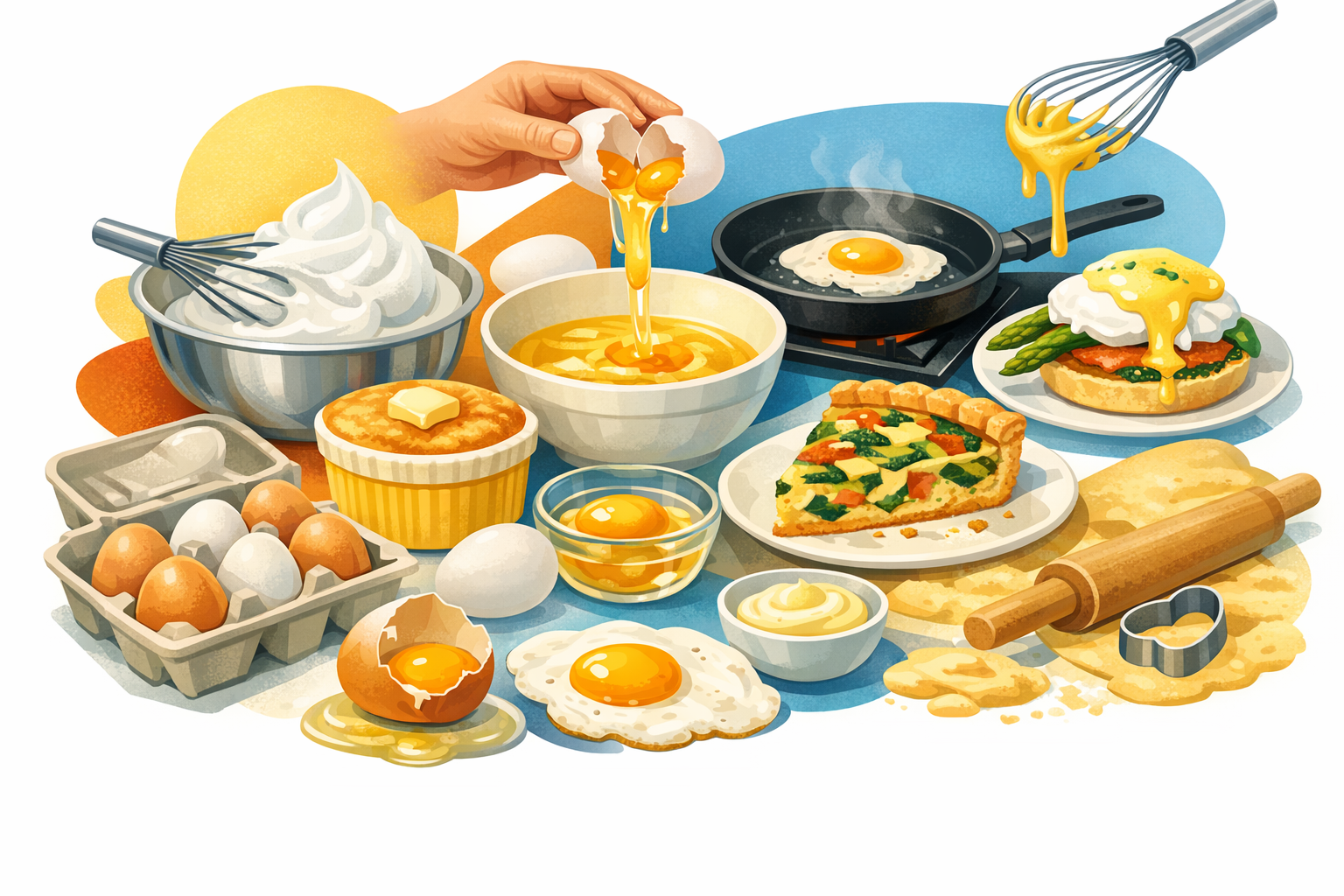
Understanding Eggs in Cooking
No single ingredient works harder in the kitchen than the egg. It can bind a meatloaf, leaven a souf...
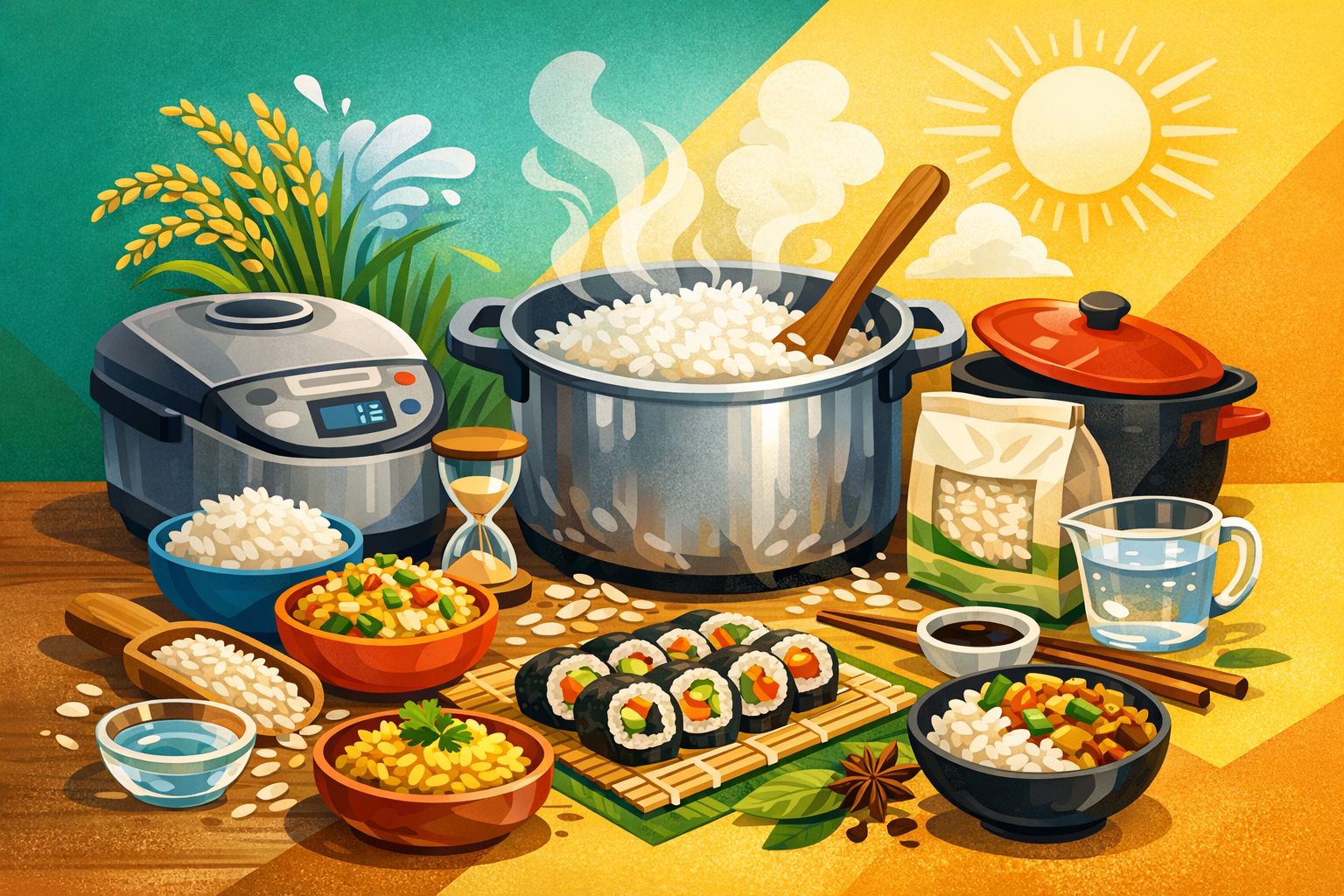
The Complete Guide to Cooking Rice
Rice feeds more than half the world's population every single day, yet it remains one of the foods t...
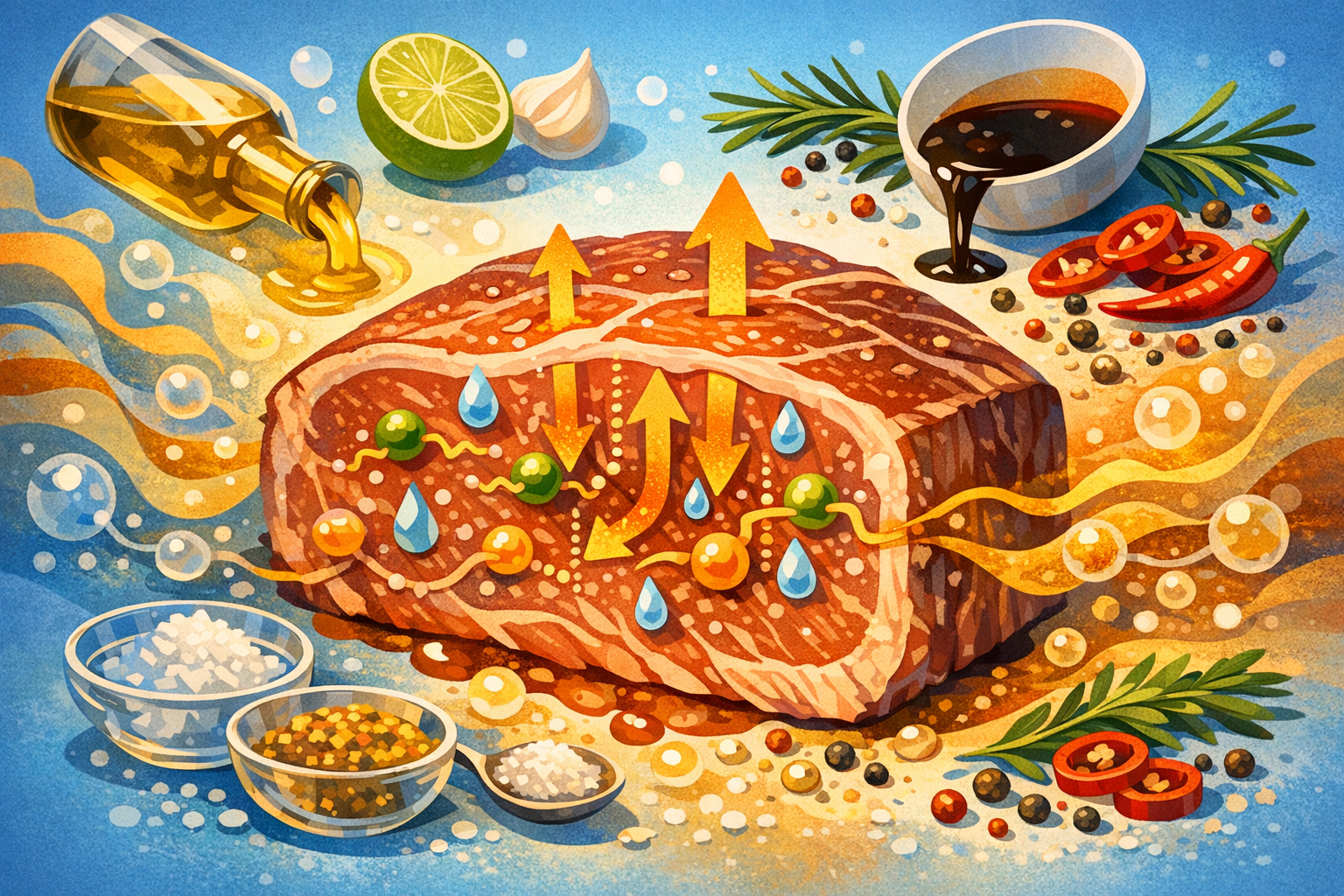
How Marinades Actually Work
Every backyard cook has a marinade story. Maybe it's the overnight soak that supposedly transformed ...
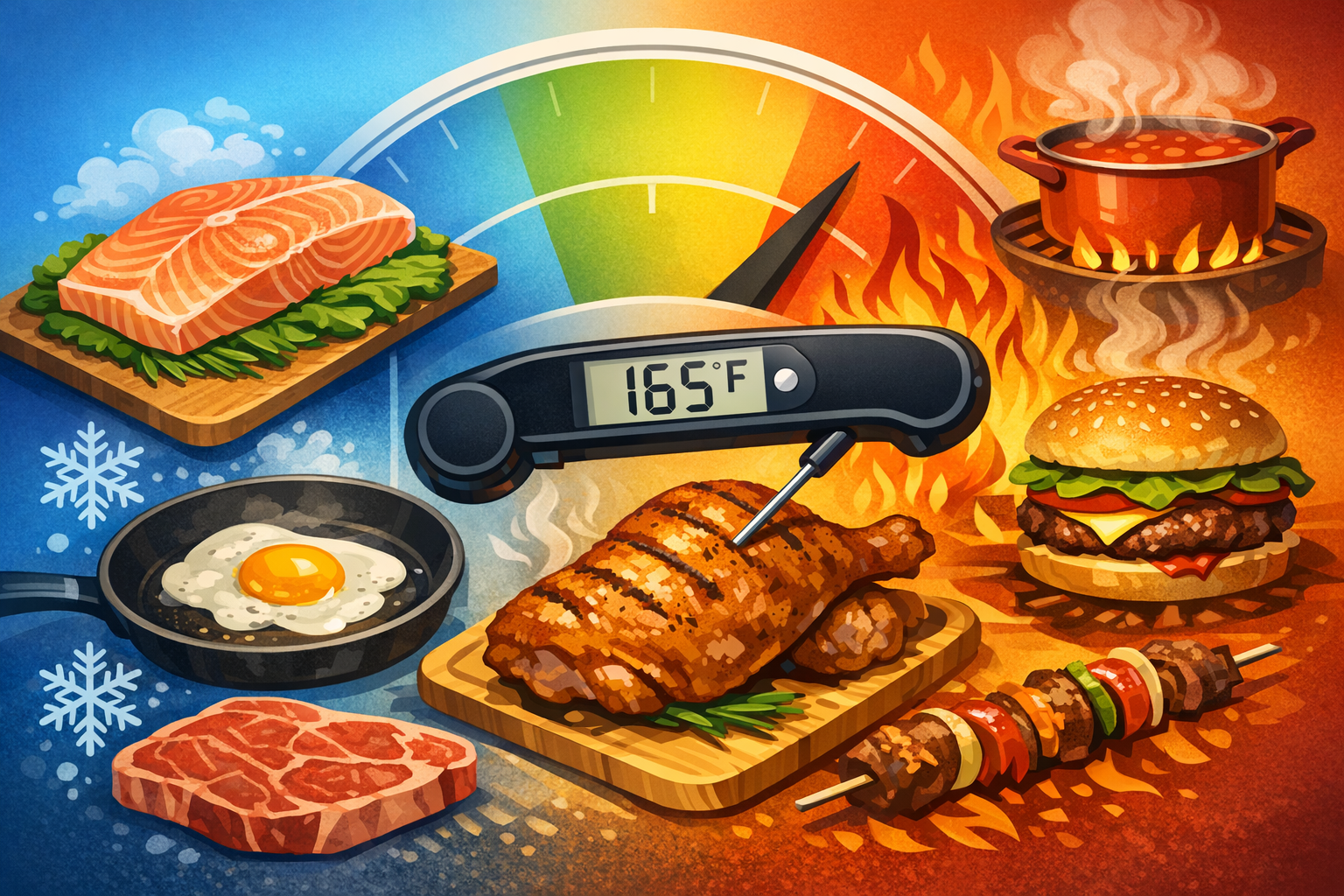
Why Cooking Temperatures Matter
Temperature is the invisible hand that controls nearly everything in cooking. It determines whether ...
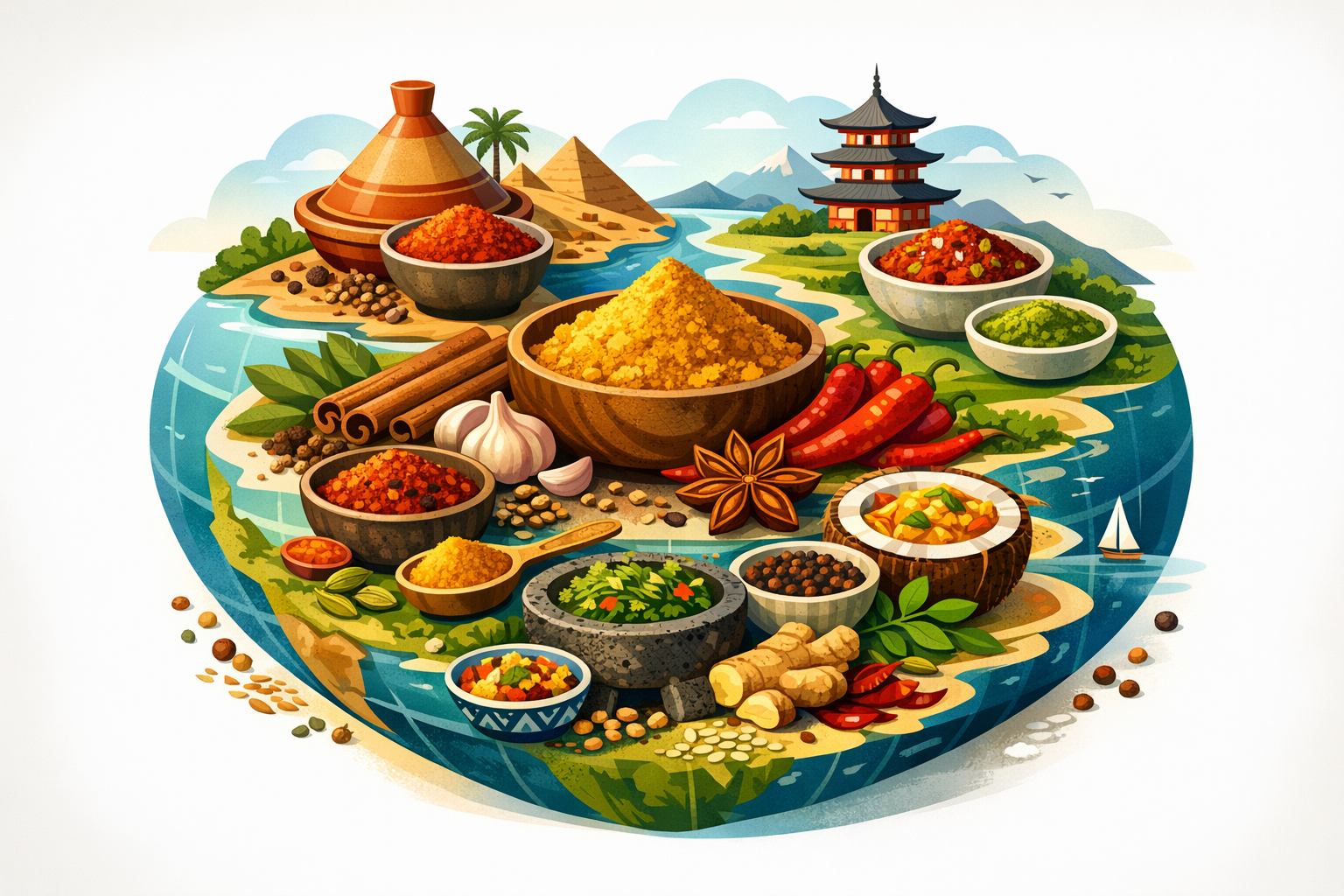
A Guide to Global Spice Blends
Walk into any kitchen that produces memorable food and you will find spice blends. Not individual ja...